Determining When to Reach Out to a Plumber: Signs to Never Overlook for Household Upkeep
Homeowners typically miss minor indicators that signal plumbing issues. Persistent slow drains, dripping faucets, and unexplained water stains may seem minor, but they can reveal deeper problems. Ignoring these signs can lead to significant expenses and increased water bills. Understanding when to reach out to a plumber is crucial for maintaining a sound plumbing system. What happens when these issues increase? The consequences might be more damaging than one expects.
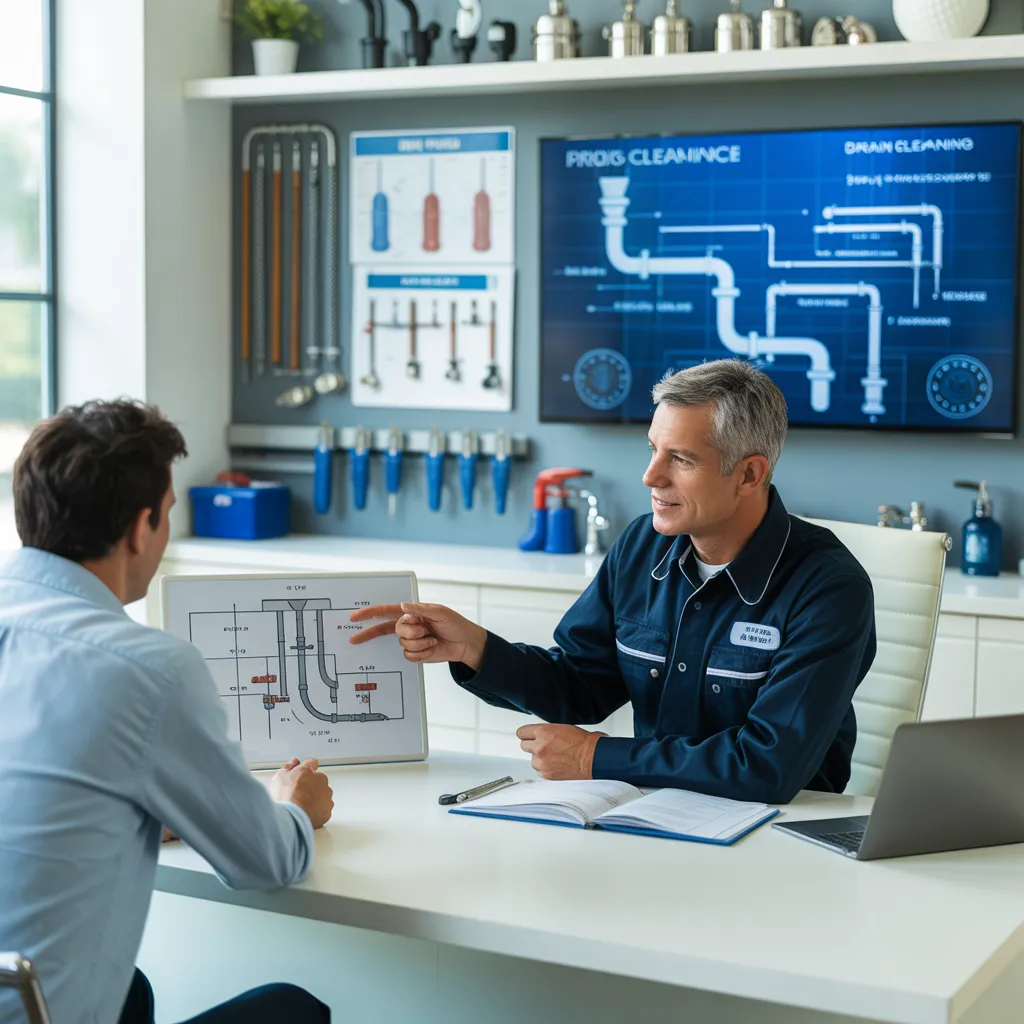
Common Plumbing Problems You Can't Overlook
When homeowners experience plumbing problems, they often underestimate the risk level of the problems. Common plumbing issues such as slow drains, dripping faucets, and running toilets may seem insignificant initially, but they can lead to substantial problems over time. A slow drain, for instance, can suggest buildup in the pipes, which may in time cause a blockage. Dripping faucets both dissipate water but can also indicate worn-out washers or aging fixtures. Running toilets can dissipate hundreds of gallons of water monthly, resulting in greater water bills. Ignoring these signs can lead to more extensive repairs and increased costs. Homeowners should be aware of these frequent concerns and address them promptly. Consulting a qualified plumber can provide fixes that stop further complications, ensuring the durability of the plumbing system and the structural soundness of the home.
Warnings of Hidden Leaks: Ways to Spot Them
Concealed leaks can pose a significant threat to a home's drainage system, often staying hidden until they cause serious damage. Homeowners should remain watchful for different indicators that indicate a undetected leak. One standard warning is unexplained increases in water bills, which may indicate water waste. Additionally, damp spots on ceilings, walls, or floors can signal water seepage. Mold formation is yet another warning, as it frequently grows in moist conditions from leaks. It is also vital to inspect for water pooling in crawl spaces or basements, which can suggest a significant leak. Homeowners should tune in for sounds of running water when all fixtures are turned off, as it can point to a hidden leak. Finally, changes in water pressure while using water may also hint at underlying plumbing issues. Early detection of these clues can help ward off costly maintenance and considerable harm.
What That Terrible Smell Reveals About Your Plumbing?
A bad smell emanating from plumbing can signal various underlying issues that require immediate attention. Commonly, a foul odor may indicate a clogged drain, where food particles and waste accumulate, leading to bacterial growth. This not only produces unpleasant smells but can also contribute to potential health hazards.
Another source of bad odors may be a dry trap. If a sink or floor drain hasn't been used for some time, the water in the trap can evaporate, allowing sewer gases to escape into the home. Additionally, a more serious issue could involve a broken sewer line, which can lead to significant structural damage and health risks.
Residents should never dismiss these smells, because they typically suggest complications that could intensify if ignored. Quick service from an experienced plumber can aid in pinpointing the source and stopping extra difficulties.
Comprehending Water Pressure Fluctuations
What triggers water pressure inconsistencies can often puzzle homeowners, as these modifications can show various plumbing complications. A sharp reduction in water pressure might indicate a break in the system, particularly in covered pipes. Similarly, an surprising elevation could demonstrate a broken pressure regulator or a difficulty with the public supply.
Frequently fluctuating pressure levels may suggest deeper system problems, such as corroded pipes or lime deposits.
Moreover, variations in water pressure can impact equipment and installations, causing diminished output or potential deterioration as time passes. Understanding these warnings enables residents to manage arising difficulties quickly, circumventing substantial maintenance and guaranteeing a sturdy plumbing arrangement. When undecided, talking to a plumber can deliver understanding and suitable fixes.
Odd Sounds: What Your Pipes Are Revealing?
Have homeowners ever paused to listen to the peculiar sounds originating from their pipes? These sounds often serve as key signs of underlying plumbing difficulties. Gurgling noises may suggest a blockage in the drain, while banging sounds, known as water hammer, can indicate high water pressure or loose pipes. A hissing noise might point to a leak, which, if left unaddressed, could lead to more significant damage. Whistling or screeching can signal issues with the water valve or faucet.
Spotting Water Damage Early to Avoid Issues
Water damage can often go unnoticed before it develops into a major problem. Homeowners should be vigilant for unexplained water stains, indicators of mold development, and musty odors, as these can signal hidden issues. Recognizing these indicators early can prevent costly repairs and additional problems.
Unfamiliar Water Patches
Unexplained water stains on walls and ceilings can serve as an early indicator of underlying plumbing issues. These marks may manifest as dark patches or dark marks, typically signaling leaks from roofing or pipes. Homeowners must remain attentive to the form, dimensions, and placement of these marks, as they can reveal the severity of the problem. If the stains persist or expand, it may signal a more serious issue that needs expert help. Ignoring these signs can result in additional harm, such as structural damage or increased repair costs. Taking prompt action is crucial; contacting a plumber can assist in locating where the leaks are coming from and prevent additional complications, guaranteeing the home stays secure and structurally intact.
Mold Growth Indicators
Unexplained water stains can often lead to greater issues, like mold development. Homeowners should remain vigilant for signs that mold might be developing. Indicators include discolored patches on walls, ceilings, or floors, often appearing in shades of green, black, or white. Additionally, humid or damp conditions can exacerbate mold proliferation, especially in spaces with inadequate discover the information airflow, like bathrooms and basements. Pay attention to any peeling paint or wallpaper, since these may indicate hidden moisture problems. Residents must also note moisture building up on surfaces or windows, which may indicate excessive humidity levels. Promptly addressing these signs is vital to prevent additional deterioration and guarantee a safe living environment.
Damp Smells Found
Musty odors may act as an early warning sign of hidden water damage within a home. When occupants detect these odors, it typically signals moisture buildup in spaces such as basements, attics, or walls. These odors can originate from damp materials or mold growth, both of which signal the necessity for prompt action. Ignoring these odors can lead to greater structural damage and health risks. Residents should examine the source of the smell, seeking leaks, water stains, or condensation. Should the issue continue or exceed their knowledge, contacting a plumber is necessary. Expert help can pinpoint and fix the root cause, ensuring a safe and healthy living environment.
Popular Questions
How Much Does It Usually Cost to Hire a Plumber?
Typically, hiring a plumber falls between $45 and $200 per hour, depending on factors such as region, job complexity, and the plumber's experience. Supplemental costs may be charged for urgent repairs or specialized work.
Should I Handle Plumbing Issues Myself or Call a Plumber?
Whether you need to address plumbing problems independently or call a plumber depends on how difficult the task is. Minor work could be manageable, but major issues usually require professional skills to prevent further damage and assure security.
What Categories of Urgent Plumbing Services Exist 24/7?
Emergency plumbing services available 24/7 commonly encompass leak patching, drain clog clearing, burst pipe restoration, and water heating problems. These services ensure prompt help when facing plumbing disasters, deterring extra damage and bringing back functionality promptly.
What Steps Do I Take to Avoid Plumbing Concerns?
To avoid drainage issues, periodic maintenance is necessary. It features looking for leaks, ensuring proper drainage, preventing clogs by exercising caution with waste, and planning regular inspections with experts to address foreseeable problems proactively.
Do Plumbing Companies Come With Protections on Services?
Several plumber firms offer guarantees on their work, guaranteeing services are included for a fixed timeframe. Such assurances give homeowners security, safeguarding from potential future issues linked to the recent plumbing work.